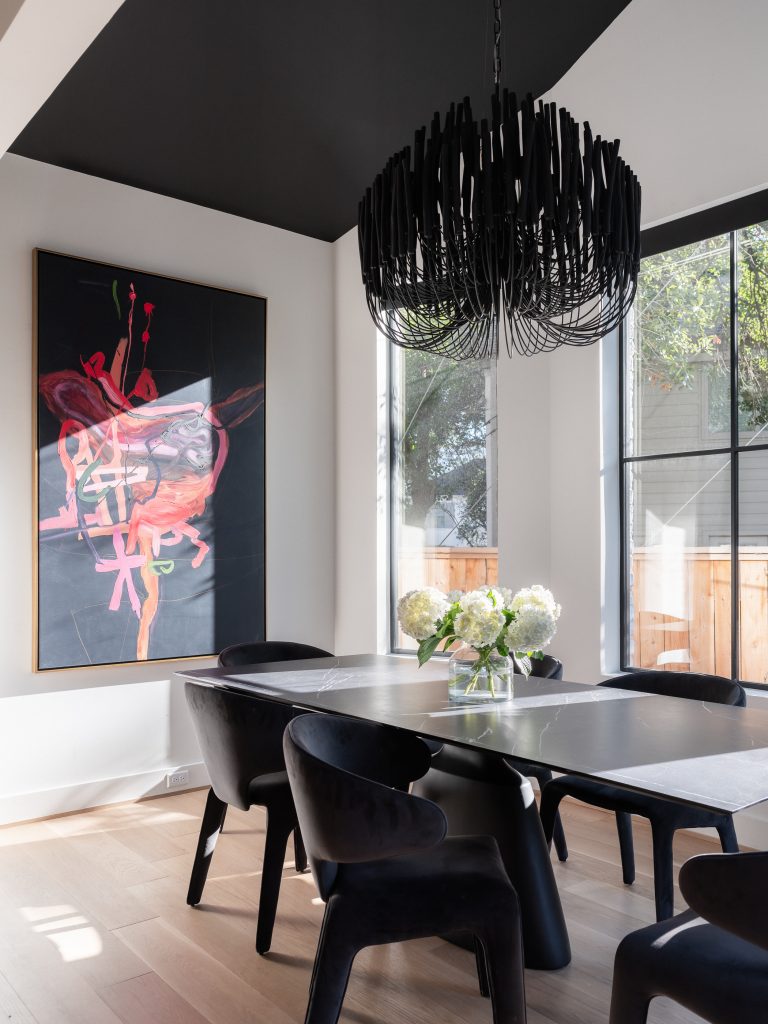
A Honest Look at What No Longer Serves Today’s Homeowners
As we wrap up another year of walking job sites in the rain, celebrating final reveals, and solving about a thousand little challenges you never see on Instagram, we’ve learned a lot about what truly makes a home feel good to live in.
And we’ve also learned what we’re ready to leave behind.
Here’s what 2025 taught us — and what we’re happily saying goodbye to as we move into a new year.
“If it doesn’t serve your life, support your routines, or spark joy at home, we’re leaving it in 2025.”
2. Trend Whiplash
Every year brings new “must-haves,” but this year felt different. More homeowners paused and asked, “Will I still love this in five years?”
That meant letting go of:
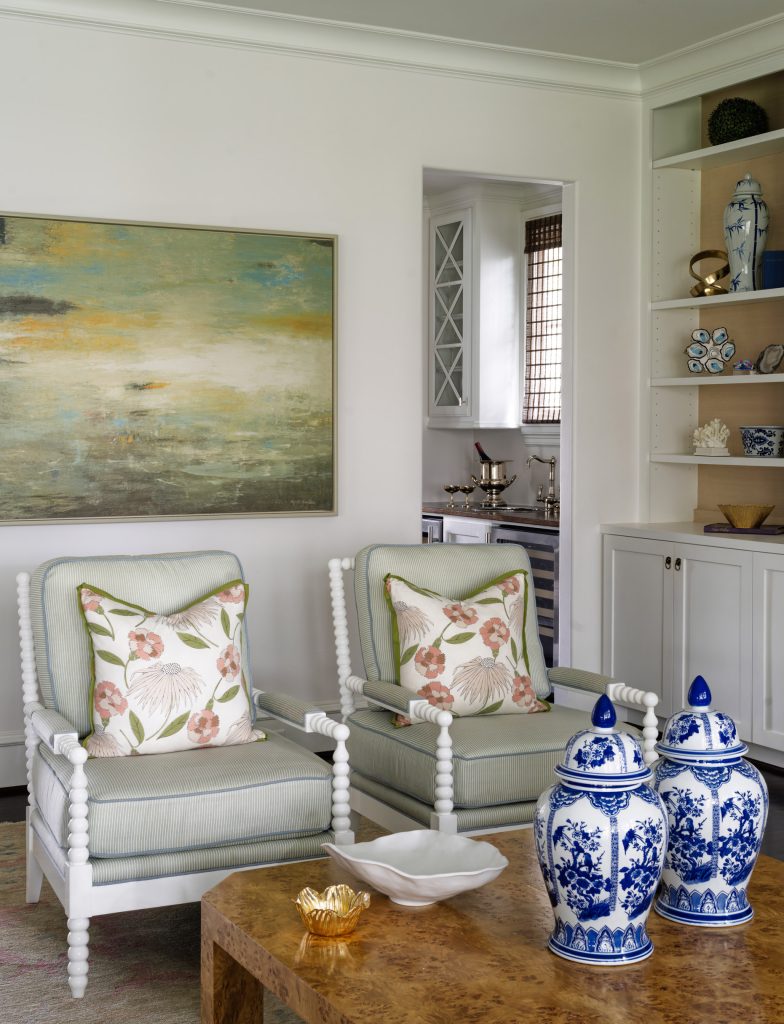
Paint colors everyone has but no one really wants
Tiles chosen because they went viral
Light fixtures that are gorgeous but don’t light anything
Materials that look amazing but don’t hold up to daily living
We’re leaning into warm, thoughtful, timeless design — the kind that feels personal, not performative.
1. Spaces That Photograph Better Than They Function
We’ve all seen the Pinterest-perfect rooms. They’re stunning… until you try to cook, live, or raise kids in them.
This year, we watched more homeowners choose livability over likes, and it was refreshing.
So in 2026, we’re officially parting ways with:
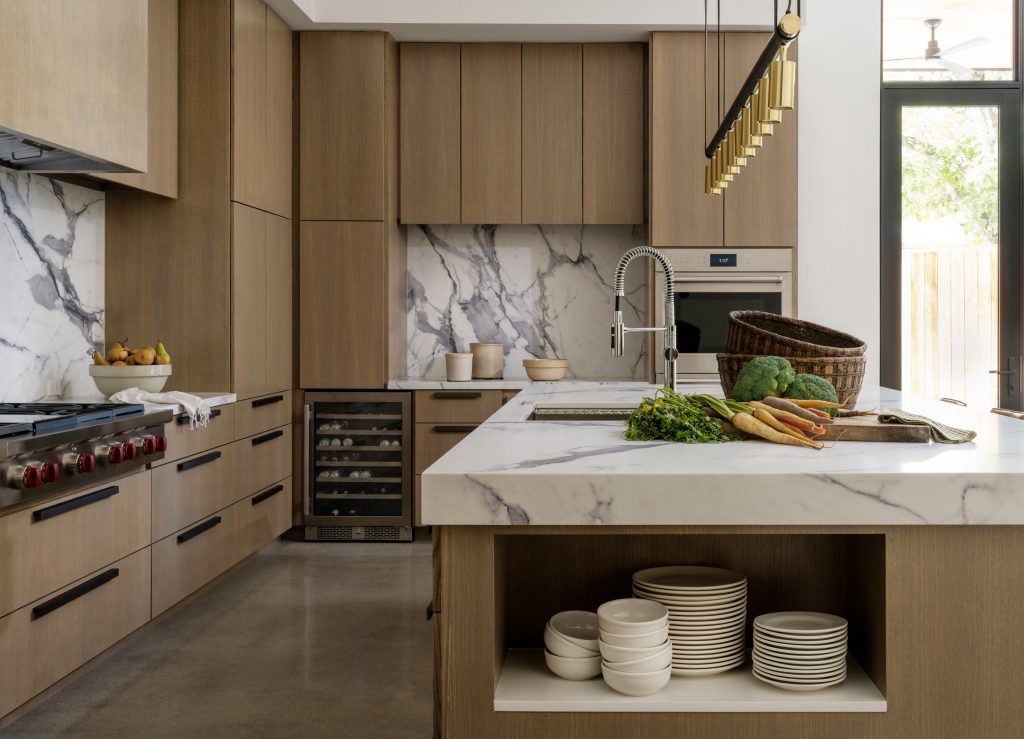
Kitchens without enough storage
Bathrooms you’re scared to touch
Mudrooms that can’t handle actual mud
Layouts that look good on paper but not in real life
A beautiful home is wonderful — a beautiful home that makes your life easier is better.
4. Floor Plans That Fight the Way You Live
We’ve all been inside those homes where you think, “Why is this room even here?” You’d be surprised how often homeowners tell us: “I don’t know what to do with this space,” or “We never use this part of the house.”
In 2026, we’re done with:
Wasted corners
Hallways that steal square footage
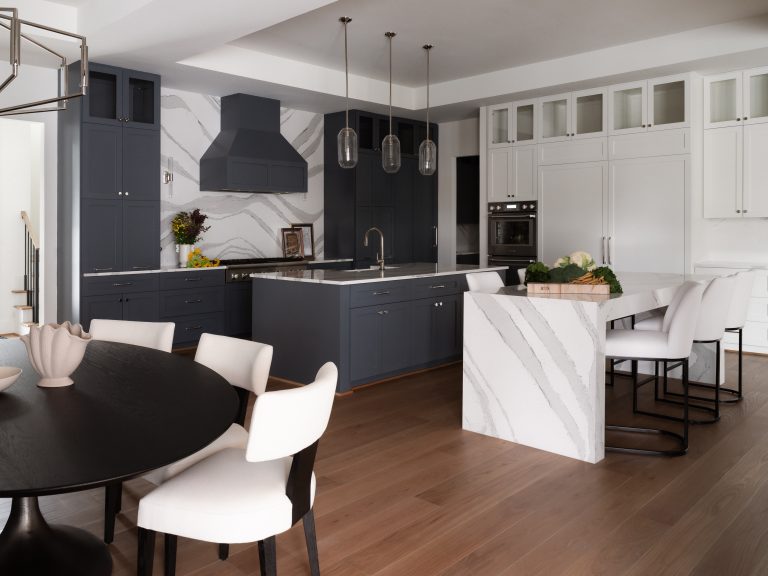
Kitchens cut off from the rest of the home
Rooms that serve no real purpose
Life has enough friction. Your home shouldn’t add to it.
6. Lighting That Doesn’t Tell a Story
Light changes everything — mood, warmth, comfort, energy. And we’ve seen firsthand how often lighting gets overlooked.
So goodbye to:
One lonely overhead light
Dim rooms that never feel inviting
Fixtures chosen only for looks
Hello to layered, intentional lighting that makes a room feel alive.
We love smart homes. We do not love tech that requires a 40-minute tutorial.
This year proved people want:
Automated lighting that “just works”
Shades that go up and down without drama
Systems that integrate quietly behind the scenes
So we’re leaving behind the overbuilt, overcomplicated setups and championing tech that makes your day feel smoother, not busier.
5. Treating Outdoor Living as Optional
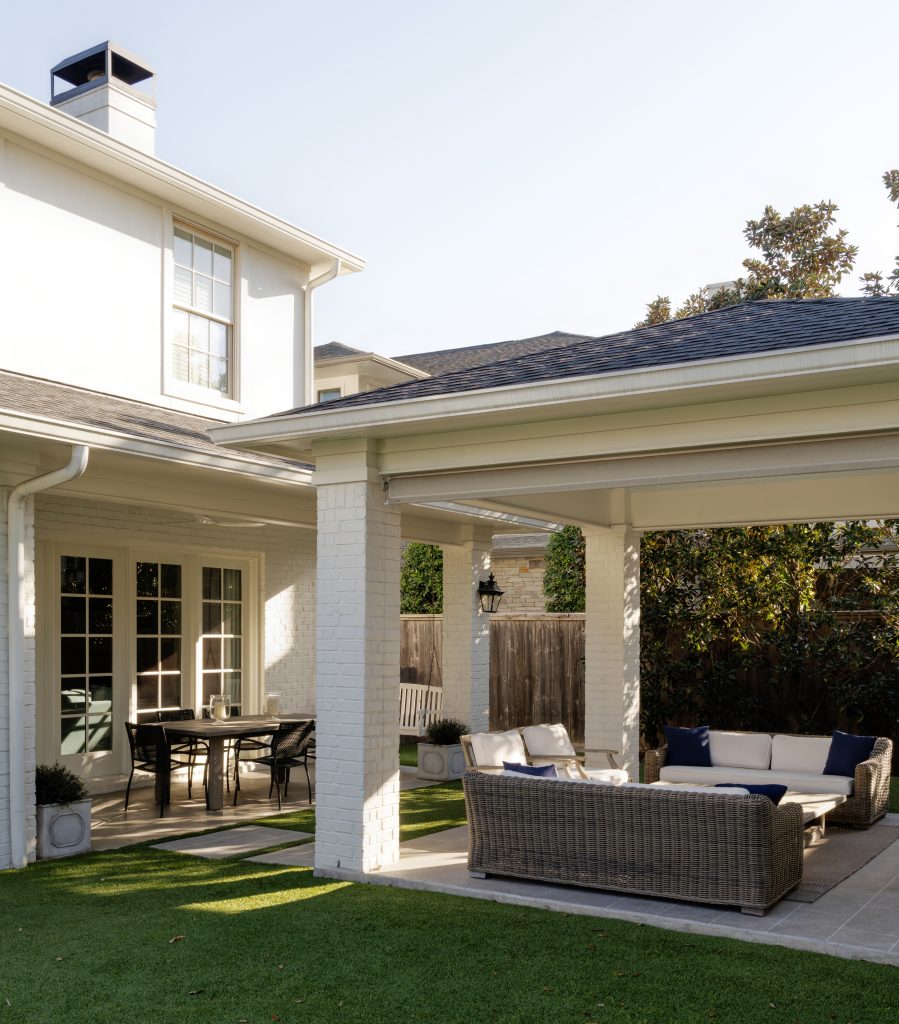
This was the year everyone realized outdoor living isn’t a luxury add-on — it’s part of how we recharge, entertain, and find calm.
We’re leaving behind:
Patios too small to use
Outdoor kitchens without shade
Spaces that go unused nine months of the year
In 2026, outdoor living needs to feel like part of your home — comfortable, convenient, and usable year-round.
7. Designing for Your Life — Not for a Future Buyer
For years, homeowners were told to play it safe, choose neutral everything, and avoid anything “too personal” in case they wanted to sell one day. But this year, more people finally said what we’ve been thinking all along:
You’re the one living here — why are we designing for someone who doesn’t exist yet?
So in 2026, we’re leaving behind:
Beige choices made out of fear, not preference
Generic layouts meant to appeal to “everyone”
Homes stripped of personality in the name of resale
Playing small with design because “what if…”
Your home should fit your life, your routines, your taste, and your moments — not the hypothetical buyer five or ten years down the road.
The new luxury is unapologetically personal.
Looking Ahead
If 2025 taught us anything, it’s that luxury isn’t about excess — it’s about ease, intention, and spaces that support the way you actually live.
And whether it’s building something brand-new or reimagining the home you already love, we’re excited to help homeowners step into 2026 with spaces that feel more functional, more personal, and more themselves.
We use cookies to analyze website traffic and optimize your website experience. By accepting our use of cookies, your data will be aggregated with all other user data.